1. What is the New CBSE Skill-Based Framework (For 6–8)?
- From academic year 2025–26, skill education becomes compulsory for Classes 6, 7, and 8. The Times of India
- Schools must allocate about 110 hours per year (≈ 160 periods) for skill-based learning — roughly two consecutive periods weekly. The Times of India+1
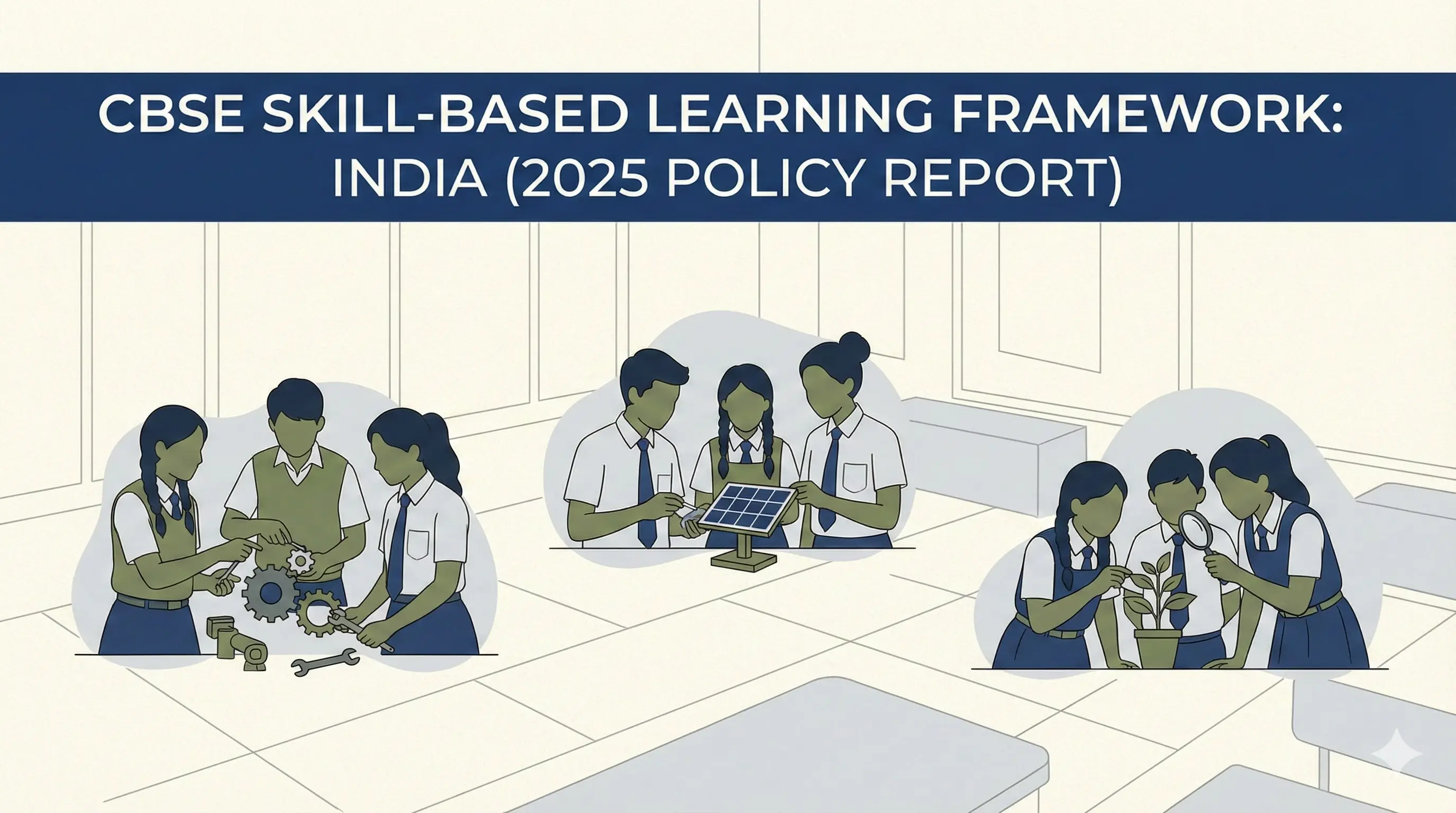
- Students will work on structured projects in three “work domains”:
- Living beings (plants/animals/ecosystem)
- Materials and basic machines (crafts, tools, mechanical tasks)
- Human services/community tasks (social service, community work) The Times of India
- Assessment will be new: not only written exams, but also viva/presentation, activity book tasks, portfolio submissions, and teacher observations — making learning process-oriented, not just exam-oriented. The Times of India+2Apeejay Newsroom+2
2. Why CBSE Is Doing This (and How It Aligns with NEP 2020)
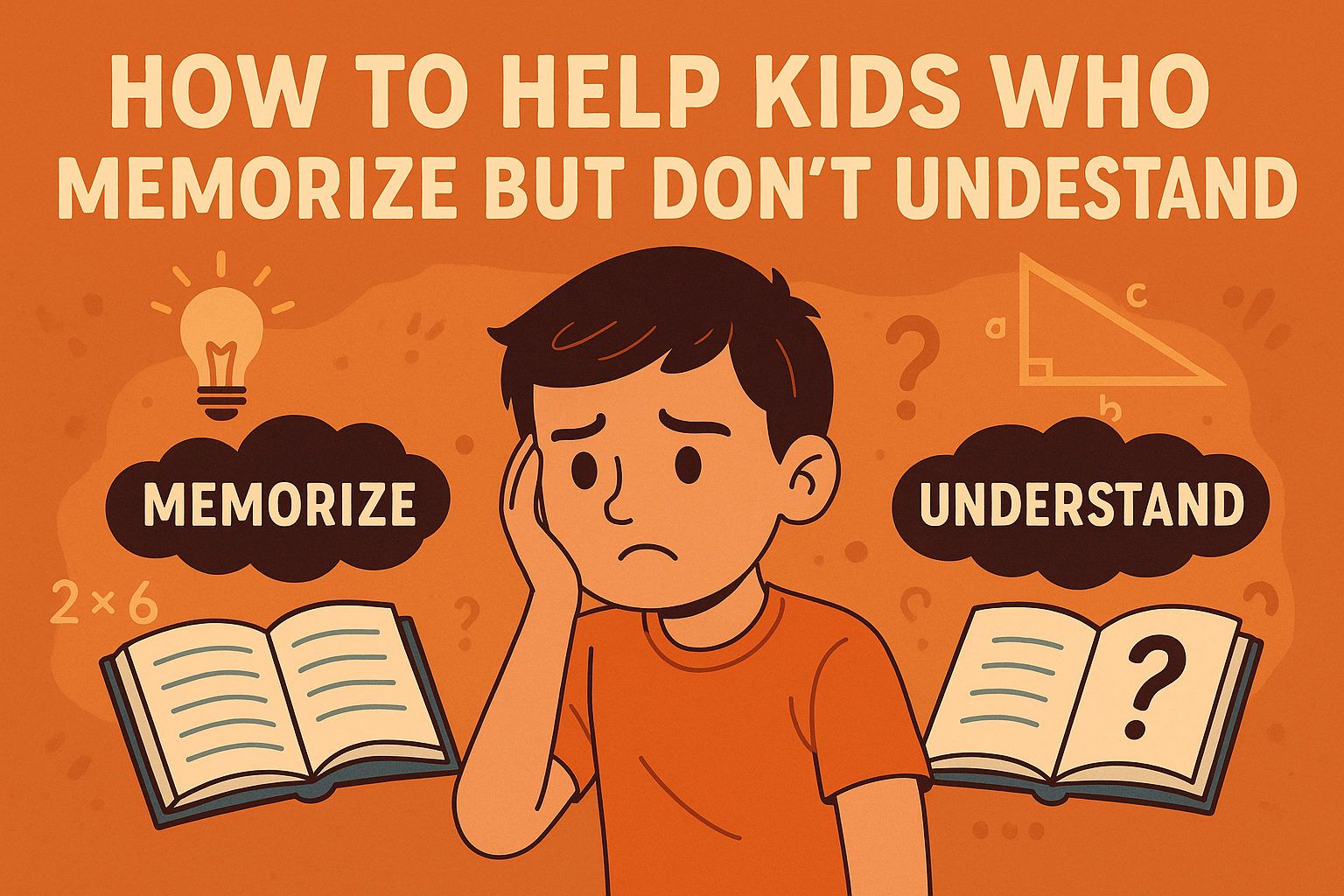
- The reform moves away from rote memorization and textbook-only learning — something long criticized in Indian education. The Times of India+1
- It aims to give students early exposure to practical skills, real-world competence, and holistic development — aligning with global education trends and the country’s future needs. The Times of India+1
3. What This Means for Parents, Students, and Schools (Real Challenges + Real Opportunities)
Challenges / Concerns
- Many schools (especially under-resourced/ rural / small) may lack infrastructure — labs, materials, trained teachers — making effective implementation difficult. The Times of India+1
- For students already juggling tuition, extra-classes, and academics — adding 110 hours/year may feel like overload. The Times of India+1
- Assessment norms and how ‘skill education’ grades will factor into promotion/report cards remains unclear — leaving parents anxious. The Times of India
Opportunities
- Students get early exposure to life-skills, practical thinking, creativity, problem-solving, hands-on learning — beneficial for overall growth.
- Opportunity for students to discover interests early (craft, mechanics, environment, community work) which conventional schooling often ignores.
- Encourages a shift in mindset: from “memorize → pass exams” to “understand → apply → experience” — a more modern, holistic education model.
4. How to Navigate the Transition — A Guide for Parents & Students
- Recognize that project-work and skill-learning require consistent involvement and supervision: encourage child’s interest, provide safe environment for crafts/projects at home.
- Focus on process over perfection: learning from mistakes, documenting activities, reflecting on what they’ve learnt (portfolios/journals).
- Maintain balance: ensure child’s academics and foundation subjects continue — skill education is an addition, not a replacement.
- Encourage breadth: rotate through different domains (craft, environment, community work) so child gets exposure to multiple skills.
- Advocate at school: parents can discuss with school management about infrastructure, safety, labs — because successful implementation depends heavily on resources.
5. Why & How DeepSchool Can Support This New Skill-Based System
Given CBSE’s shift from rote to application and activity-based learning, many students will need adaptive, concept-driven practice in their core academic subjects (Math, Science, English) to complement the new skill-based curriculum. That’s where DeepSchool fits in:
- DeepSchool’s adaptive practice helps strong conceptual foundation — helpful when school class time reduces for theory-heavy content.
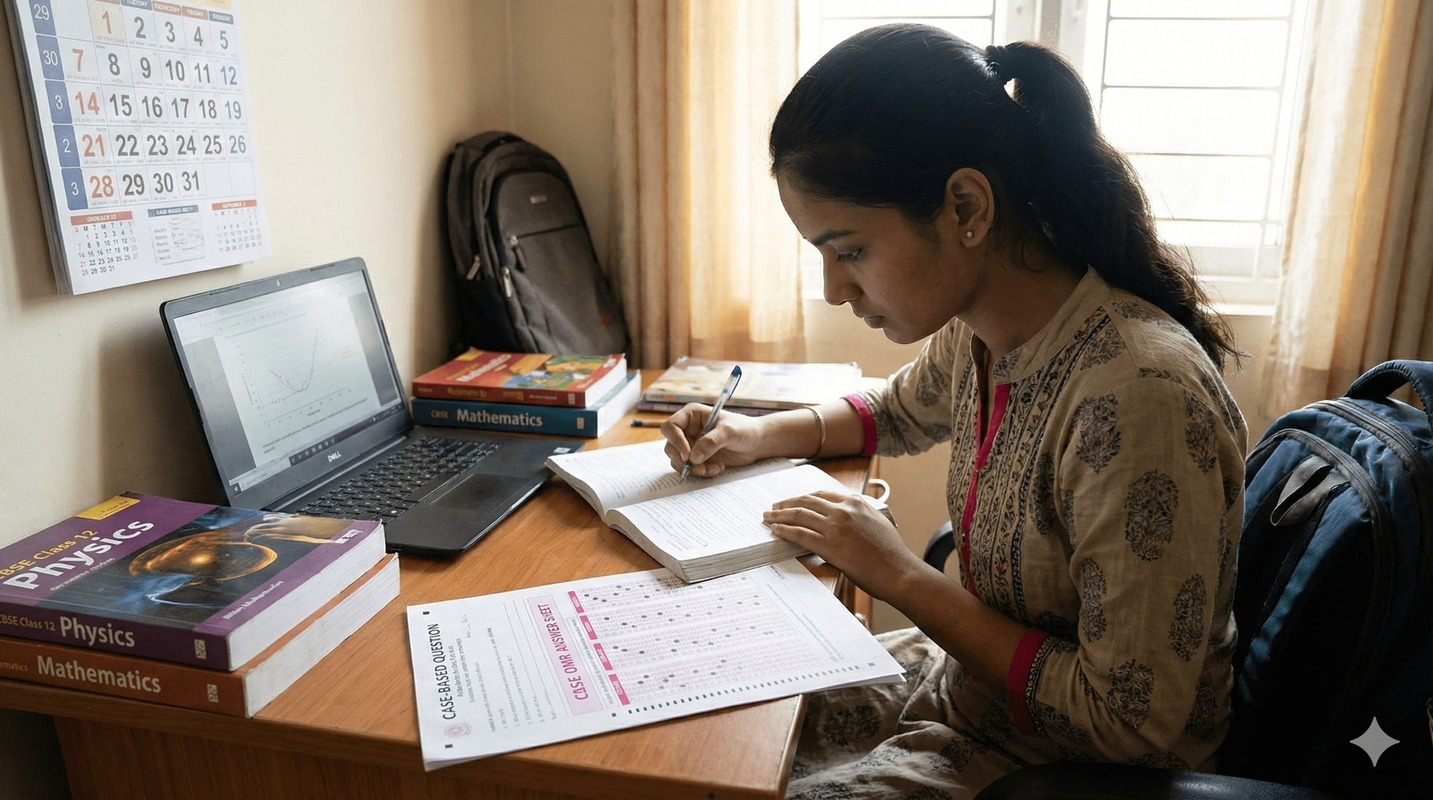
- For subjects like science and math, personalized tests can help with application-based questions similar to competency-based formats.
- Parents can use DeepSchool to track performance gaps, give children extra practice in weak areas — without excessive pressure or extra tuition burden.
- This gives a balanced learning approach: skill-based projects + conceptual academic reinforcement + adaptive feedback — exactly what modern education demands.
6. Final Take: Skill Education Is Not a Burden — If We Approach It Smartly
Yes, the shift to skill-based curriculum requires effort, resources, and mindset change.
But for families willing to adapt — it offers a chance for children to grow holistically: academically, creatively, socially, and practically.
And with smart support tools like DeepSchool, you don’t have to do it alone.
If handled thoughtfully, 2025–26 can become the start of a better, more meaningful schooling experience for millions of Indian middle schoolers.